
Is the Short Manaslu Circuit Trek Difficult?
11th Oct, 2026
The Short Answer
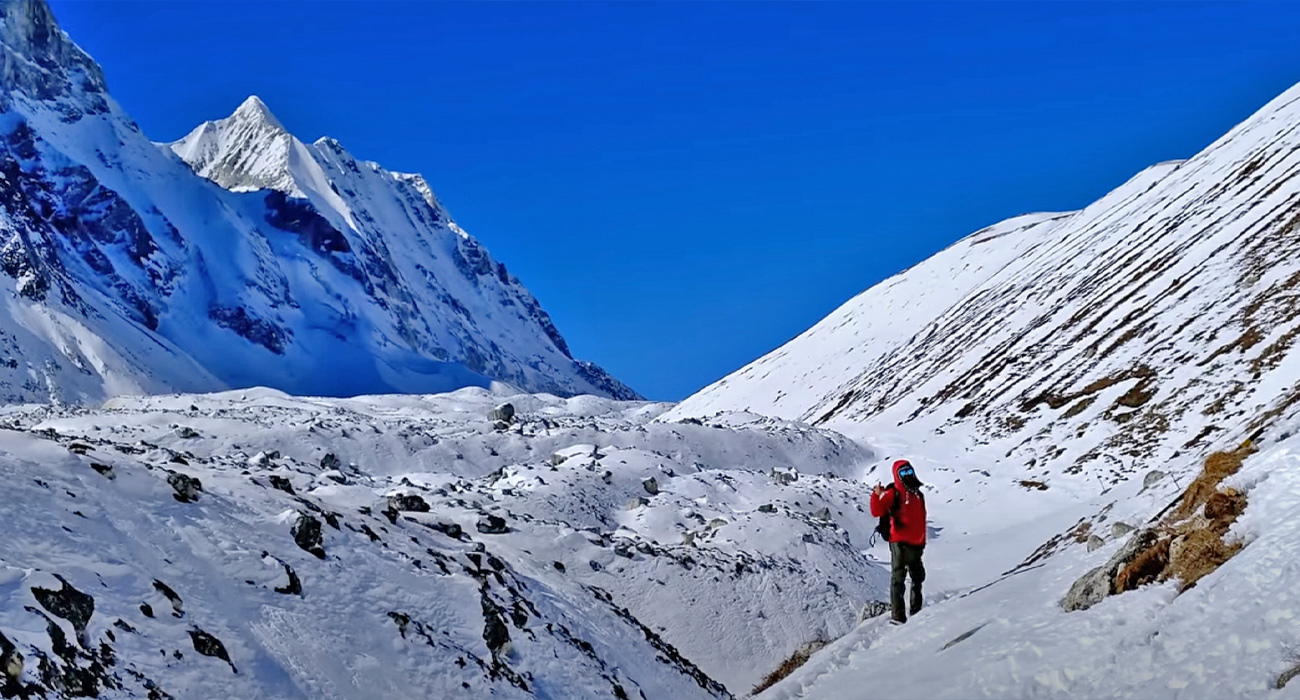
Yes, the Short Manaslu Circuit Trek is a demanding trek, and it is best suited to fit trekkers with some previous high-altitude experience. Mountain Eco Treks rates it moderate to challenging (adventurous). There is no technical climbing, but you walk 5 to 8 hours a day for eight days, sleep as high as 4,460 m, and cross the Larkya La Pass (about 5,106 m) on a day that can last 8 to 9 hours. Because the 11-day schedule is compressed, altitude is a bigger factor than distance.
Table of Contents
That does not mean you should rule it out. Well-prepared trekkers complete it every season, and with a licensed guide, oximeter checks, a shared porter and teahouse beds each night, the trek is very manageable if you train properly and respect the altitude. This guide explains exactly where the difficulty lies, how to prepare, and how to decide whether the short version, the full 14-day version or a different trek is right for you.
Difficulty at a Glance
| Factor | Details | Our assessment |
|---|---|---|
| Overall grade | Moderate to challenging (adventurous) | Challenging |
| Duration | 11 days: 2 driving days, 8 walking days, 1 rest day | Compressed |
| Highest point | Larkya La Pass, about 5,106 m (the page also quotes up to 5,160 m) | High |
| Highest sleeping point | Dharmasala (Larkya Phedi), 4,460 m | High |
| Daily walking | About 4 to 9 hours | Long |
| Total walking | Roughly 46 to 54 hours; about 110 to 130 km depending on source | Demanding |
| Technical skill | None required | Easy |
| Cold | Below freezing at night from Samagaon upward | Severe on pass day |
| Remoteness | Restricted area, limited facilities, few evacuation options | High |
| Road travel | About 16 to 21 hours of driving in total | Tiring |
| Experience advised | Previous high-altitude trekking strongly advisable | Important |
What Actually Makes Manaslu Hard?
1. Altitude and a Compressed Schedule
This is the main challenge. The trek climbs from about 900 m at Machha Khola to over 5,100 m in just nine days, with only one scheduled rest day at Samagaon. The biggest single jump is Day 5, from Namrung (2,630 m) to Samagaon (3,530 m), a gain of about 900 m in one day. Common guidance suggests keeping sleeping altitude gains to roughly 500 m per day above 3,000 m, so this day deserves respect. Fit trekkers manage it, but it is why previous altitude experience matters.
2. The Larkya La Crossing
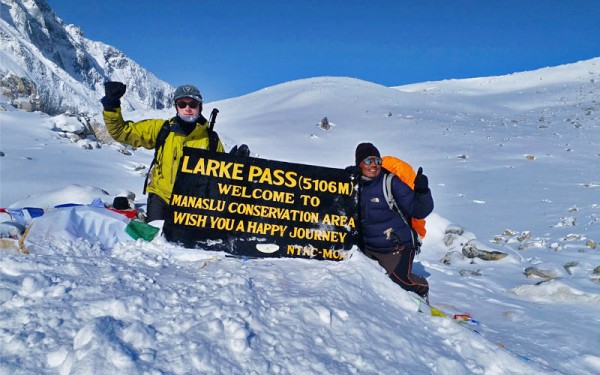
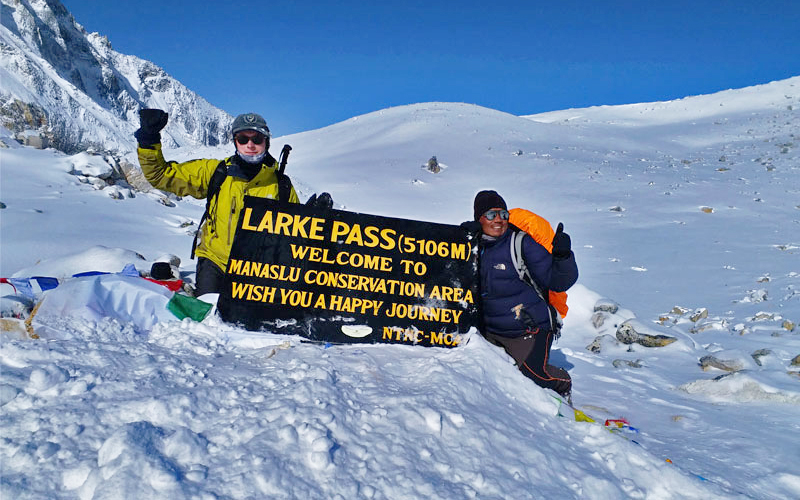
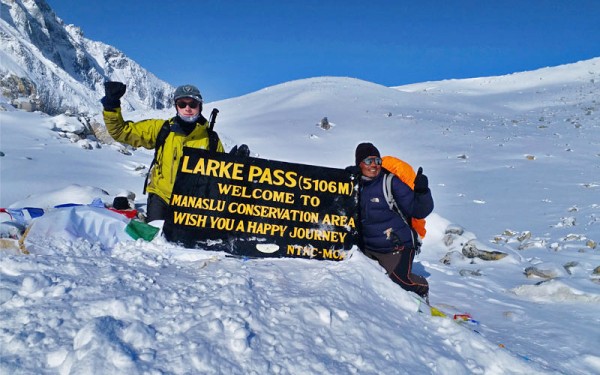
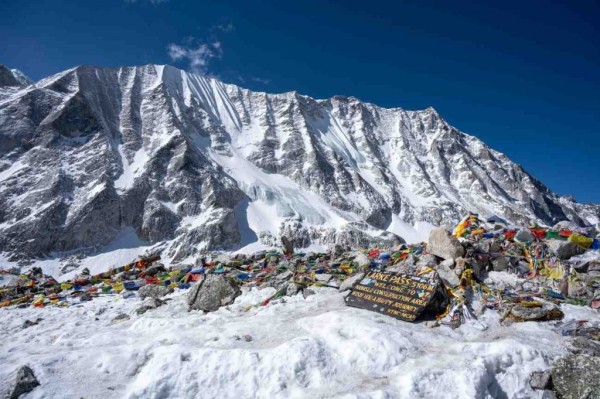
Day 9 is the hardest day by far. You leave Dharmasala (4,460 m) before dawn, climb for several hours to the pass at about 5,106 m, then descend steeply to Bimthang (about 3,720 m). The day covers about 16 km and takes 8 to 9 hours. It is cold, often windy, and the descent can be icy or rocky. The page notes some mixed figures for the pass elevation (5,106 m in the itinerary, 5,135 m in the trip facts and 5,160 m in the text), which are normal for this pass.
3. Long Walking Days
Five of the eight walking days run 6 hours or more, and none is truly short. The trail follows the Budhi Gandaki gorge, so you climb, descend and cross suspension bridges repeatedly rather than gaining height steadily. Stamina matters more than speed.
4. Cold and Weather
Nights drop well below freezing from Samagaon upward, and the pass can see snow and wind. Autumn and spring are the most reliable seasons.
5. Remote Terrain and Basic Facilities
Manaslu is a restricted area with fewer lodges, simpler food, limited Wi-Fi and little phone signal above Samagaon. Medical help is far away, so good preparation and a reliable guide team matter.
6. Long Road Journeys
The drive to Machha Khola (about 160 to 180 km) takes 7 to 9 hours by jeep, and the return from Tilje takes a further 8 to 9 hours. The roads are rough after Arughat, so expect long, bumpy days at either end.
Difficulty Day by Day
| Day | Route | Walking time | Sleeping altitude | Difficulty |
|---|---|---|---|---|
| 1 | Drive Kathmandu to Machha Khola | About 8 hrs drive | 900 m | Easy (tiring road) |
| 2 | Machha Khola to Jagat | 6 to 7 hrs (21.5 km) | 1,410 m | Moderate |
| 3 | Jagat to Deng via Philim | 6 to 7 hrs (20 km) | 1,800 m | Moderate |
| 4 | Deng to Namrung | 5 to 6 hrs (19 km) | 2,630 m | Moderate |
| 5 | Namrung to Samagaon via Lho | 7 to 8 hrs (19 km) | 3,530 m | Hard (about +900 m) |
| 6 | Acclimatization at Samagaon | Rest or short hike | 3,530 m | Easy |
| 7 | Samagaon to Samdo | 4 to 5 hrs (8 km) | 3,860 m | Moderate |
| 8 | Samdo to Dharmasala | 4 to 5 hrs (6.5 km) | 4,460 m | Moderate (high altitude) |
| 9 | Over Larkya La to Bimthang | 8 to 9 hrs (16 km) | Pass 5,106 m; night about 3,720 m | Hardest |
| 10 | Bimthang to Tilje | 6 to 7 hrs (21.5 km) | 2,300 m | Moderate to hard (long descent) |
| 11 | Drive Tilje to Kathmandu | 8 to 9 hrs drive | 1,400 m | Easy (tiring road) |
The itinerary lists the Day 9 overnight as “Bhimphedi.” The village below the pass is normally written Bimthang, which matches the altitude given.
Is It Suitable for Beginners?
Mountain Eco Treks states plainly that the trek is not recommended for first-time high-altitude trekkers, and that prior altitude experience is strongly advisable. That is honest advice. A complete beginner is more likely to struggle with altitude and long days here than on lower treks.
| Your background | How the short Manaslu will feel |
|---|---|
| Experienced high-altitude trekker | Challenging but very achievable |
| Fit trekker with a past trek above 3,500 m | Demanding, but realistic with training |
| Fit hiker, no altitude experience | Risky on the compressed 11-day schedule; consider the full 14-day trek or a lower trek first |
| Beginner with low fitness | Not recommended |
A better path for first-timers: Build experience on an easier route such as the Everest View Trek, the Poon Hill Ghorepani Short Trek or the Langtang Valley Trek, then step up to Manaslu.
Short vs Full Manaslu Circuit: Which Is Harder?
| Short Manaslu Circuit | Full Manaslu Circuit | |
|---|---|---|
| Duration | 11 days | 14 days |
| Pace | Faster, with one rest day | More gradual, with extra acclimatization |
| Price (standard) | US$1,485 | From US$1,585 |
| Altitude risk | Higher, because the schedule is compressed | Lower, with more days to adapt |
| Best for | Fit trekkers with altitude experience and limited time | Most trekkers, especially if you are new to altitude |
If you are unsure, the Manaslu Circuit Trek (14 days) gives your body more time. For an even more cultural journey, combine Manaslu with the Tsum Valley Trek (17 days). Browse the full list on our Manaslu region page.
How It Compares with Other Treks
| Trek | Max altitude | Duration | Difficulty compared with Short Manaslu |
|---|---|---|---|
| Everest View Trek | About 3,880 m | Short | Much easier |
| Short Annapurna Circuit | Thorong La area | 8 days | A different style: busier trails, more facilities, similar pass-crossing challenge |
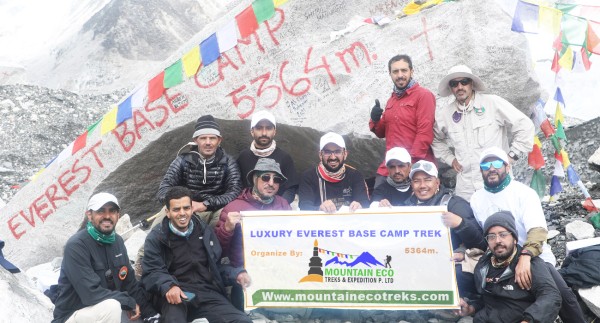
| Everest Base Camp Trek | About 5,364 m (Kala Patthar higher) | 14 days | Comparable altitude, but busier, with more lodges and flights |
| Mera Peak Climbing | About 6,476 m | Longer | Harder: a climbing peak, not a teahouse trek |
Manaslu’s difficulty comes less from any single day than from the combination of remoteness, altitude and a compressed schedule.
Fitness Requirements
You should be able to:
- Walk 5 to 8 hours a day on rocky, uneven terrain for several days in a row
- Climb stairs or hills for 60 to 90 minutes without being exhausted
- Carry a 5 to 8 kg daypack comfortably
- Recover well between hard days
You do not need to be an athlete, but you do need good cardiovascular fitness and leg endurance.
10 to 12 Week Training Plan
| Weeks | Goal | Weekly plan |
|---|---|---|
| 1 to 3 | Build a base | Cardio 3 to 4 times a week (30 to 45 min); strength work twice a week |
| 4 to 6 | Add hills and stairs | Hill walks or stair climbing 3 times a week (45 to 60 min); a long weekend walk of 3 hours |
| 7 to 9 | Add weight and distance | Hike with a 5 to 8 kg pack for 4 to 5 hours; include steep descents |
| 10 to 11 | Simulate the trek | Back-to-back hikes of 5 to 7 hours in your trekking boots |
| 12 | Taper | Lighter walks, rest, final gear check |
Focus areas: cardio endurance, leg and core strength, downhill practice for the long descent on Day 10, and boot break-in. If you have any medical condition, get a check-up first.
Managing Altitude on the Short Manaslu
The itinerary includes a rest day at Samagaon (3,530 m) and short days to Samdo and Dharmasala, but the schedule is still fast. Follow these rules:
- Walk slowly. Your guide sets the pace, so stay at the back of the group if you need to.
- Drink 3 to 4 liters of water daily. Treated drinking water is included.
- Eat regularly, even without appetite, favoring carbohydrates like dal bhat.
- Avoid alcohol and sleeping pills.
- Use the rest day well. The Birendra Lake hike is optional, so skip it if you feel unwell.
- Tell your guide early about headaches, nausea, dizziness or poor sleep.
- Ask your doctor about altitude medication before you travel.
- Add a buffer day if possible, so a weather delay does not force you to rush.
- Descend if symptoms worsen. That is the cure.
Your guide checks your oxygen saturation and pulse with an oximeter during the trek, and carries a first-aid kit. Travel insurance must cover high-altitude trekking and emergency helicopter evacuation. The page mentions cover up to 5,000 m in one place and 5,500 m in another, so choose a policy that covers at least 5,500 m.
How Season Affects Difficulty
| Season | Months | Effect on difficulty |
|---|---|---|
| Autumn | September to November | Easiest: stable weather, clear skies. October is the best month. |
| Spring | March to May | Good: warmer days, rhododendrons, more variable weather |
| Monsoon | June to August | Harder: rain, leeches, landslide risk on roads and trails |
| Winter | December to February | Hardest: very cold, heavy snow can close Larkya La |
The trip page lists departures from October 2026 through May 2027, including December to February dates. Because winter snow can close the pass, ask the team how winter departures handle pass conditions and what the backup plan is.
Guide, Porter and Permits: How They Reduce the Difficulty
- Licensed guide (mandatory): A government-licensed guide is required in the Manaslu restricted area. Mountain Eco Treks guides are first-aid trained and monitor your health daily.
- Shared porter (Standard package): One porter for every two trekkers carries your duffel, so you only need a light daypack. On the Budget package, a porter is available at extra cost.
- Permits included: The Manaslu Restricted Area Permit, Manaslu Conservation Area Permit, Annapurna Conservation Area Permit and a local municipality fee, estimated at about US$150 to 160 per person in total.
- Teahouse lodging: You sleep in twin-sharing rooms with hot meals, with no camping required.
Standard vs Budget Package
| Standard: US$1,485 | Budget: US$1,050 | |
|---|---|---|
| Kathmandu hotel | 2 nights, 3-star, breakfast | Not included |
| Transport to Machha Khola and from Tilje | Private vehicle | Public transport (private on request) |
| Porter | 1 per 2 trekkers | On request, extra cost |
| Guide, permits, lodging, three meals daily | Included | Included |
| Treated water, SIM card, oximeter checks | Included | Included |
Not included in either: international flights, visa, Kathmandu lunches and dinners, drinks, hot showers, Wi-Fi, insurance, personal gear and tips.
Packing Essentials That Make It Easier
From the trip page’s checklist: a warm down jacket, thermal layers, waterproof shell, waterproof broken-in boots, trekking poles, gloves and hat, a sleeping bag rated for cold nights (the page suggests about -10°C), a headlamp, UV400 sunglasses, sunscreen SPF 50+, water purification, a first-aid kit and a power bank. A down sleeping bag, down jacket and duffel are available on request. Keep your total gear light, because every kilo counts on pass day.
Common Mistakes to Avoid
| Mistake | Better approach |
|---|---|
| Underestimating altitude because you are fit | Use the pace your guide sets and report symptoms early |
| Not training enough | Start 10 to 12 weeks ahead with hills and back-to-back hikes |
| Wearing new boots | Break them in for several weeks |
| Skipping water | Drink 3 to 4 liters daily |
| Booking a tight flight home | Add 1 to 2 buffer days |
| Underinsuring | Get cover for at least 5,500 m and helicopter evacuation |
| Overpacking | Stay light and rely on layers |
Is the Short Manaslu Circuit Trek Difficult? FAQs
1. Is the Short Manaslu Circuit Trek difficult?
It is moderate to challenging. There are no technical sections, but the combination of altitude (up to about 5,106 m), long walking days of 5 to 8 hours and a compressed 11-day schedule makes it demanding. It suits fit trekkers with previous high-altitude experience. With proper training, a steady pace and a good guide team, it is very achievable.
2. Is it suitable for beginners?
Mountain Eco Treks advises that it is not recommended for first-time high-altitude trekkers, and that prior altitude experience is strongly advisable. If you are fit but new to altitude, consider the 14-day Manaslu Circuit Trek for a more gradual pace, or start with a lower trek such as the Everest View Trek.
3. What is the hardest day?
Day 9, when you cross the Larkya La Pass. You leave Dharmasala (4,460 m) before dawn, climb to about 5,106 m, then descend about 1,400 m to Bimthang. The day covers about 16 km and takes 8 to 9 hours in cold, often windy conditions. Day 5, with a gain of about 900 m to Samagaon, is the hardest altitude jump.
4. How many hours do you walk each day?
Walking days run from about 4 to 9 hours. Days 2 and 3 take 6 to 7 hours, Day 4 takes 5 to 6, Day 5 takes 7 to 8, Days 7 and 8 take 4 to 5, Day 9 takes 8 to 9 and Day 10 takes 6 to 7. In total that is roughly 46 to 54 hours of walking over eight days, plus two long driving days.
5. How high does the trek go, and is altitude sickness a risk?
The highest point is the Larkya La Pass at about 5,106 m, and the highest sleeping point is Dharmasala at 4,460 m. Altitude sickness is a real risk on this route. Your itinerary includes a rest day at Samagaon, and your guide checks your oxygen levels with an oximeter. Walk slowly, drink plenty of water, avoid alcohol and descend if symptoms worsen.
6. How fit do I need to be, and how should I train?
You should be able to walk 5 to 8 hours a day for several days with a light pack, and to climb hills or stairs for 60 to 90 minutes. Train for 10 to 12 weeks with cardio, hill hikes, leg strength work and back-to-back long hikes in your trekking boots. Include downhill practice, because the descent from Larkya La is long and steep.
7. Do I need a guide, and can I trek solo?
A government-licensed guide is mandatory in the Manaslu restricted area, and permits are issued only through a registered agency. You can travel as a solo traveler by joining a group departure or booking a private trip, but you cannot trek independently. Mountain Eco Treks lists fixed departures from October 2026 to May 2027.
8. What is the best time of year, and does season change the difficulty?
October is usually the best month, followed by November and March to May. Autumn gives the most stable weather and clearest views. The monsoon (June to August) brings rain and landslide risk, and winter (December to February) can bring heavy snow that closes the pass. Always add a buffer day for weather.
9. How much does the trek cost, and is a porter included?
The Standard package is US$1,485 per person and includes a shared porter (one for two trekkers), a private vehicle and two nights in a 3-star Kathmandu hotel. The Budget package is US$1,050 and uses public transport, with a porter available at extra cost. Permits, a licensed guide, lodging and three meals a day on trek are included in both.
10. What insurance do I need, and what if I cannot continue?
You need comprehensive travel insurance covering high-altitude trekking and emergency helicopter evacuation, ideally up to at least 5,500 m. If you cannot continue, your guide will arrange the safest option, which may include descending or evacuation, with costs covered by your insurance. Tell your guide early if you feel unwell, because early action keeps you safe and often saves the trip.
Final Thoughts
The Short Manaslu Circuit Trek is not an easy walk, but it is not out of reach for a well-prepared trekker either. It rewards you with close views of the world’s eighth-highest mountain, Tibetan-influenced villages, Birendra Lake and a Larkya La crossing that many people call the highlight of their Nepal trip. The difference between a struggle and a great trek usually comes down to preparation, pace and honest communication with your guide.
If you have altitude experience and 10 to 12 weeks to train, the 11-day itinerary is a rewarding choice. If you want more margin, ask about the 14-day Manaslu Circuit or add buffer days. To plan your trek, view dates and prices on the Short Manaslu Circuit Trek page, browse our trekking in Nepal options, meet the Mountain Eco Treks team or contact us on WhatsApp at +977 9803926665 or by email at info@mountainecotreks.com.
Recent From Blog

19th Apr, 2019


23rd Dec, 2018

11th Jan, 2024

14th Jan, 2024

29th Jan, 2025

11th Feb, 2025

18th Feb, 2025

25th Feb, 2025

5th Apr, 2025
23rd Dec, 2025
9th May, 2026
12th Jul, 2026

13th Aug, 2026
13th Aug, 2026
13th Aug, 2026

16th Aug, 2026
20th Aug, 2026


11th Sep, 2026
24th Sep, 2026
25th Sep, 2026
5th Oct, 2026
6th Oct, 2026